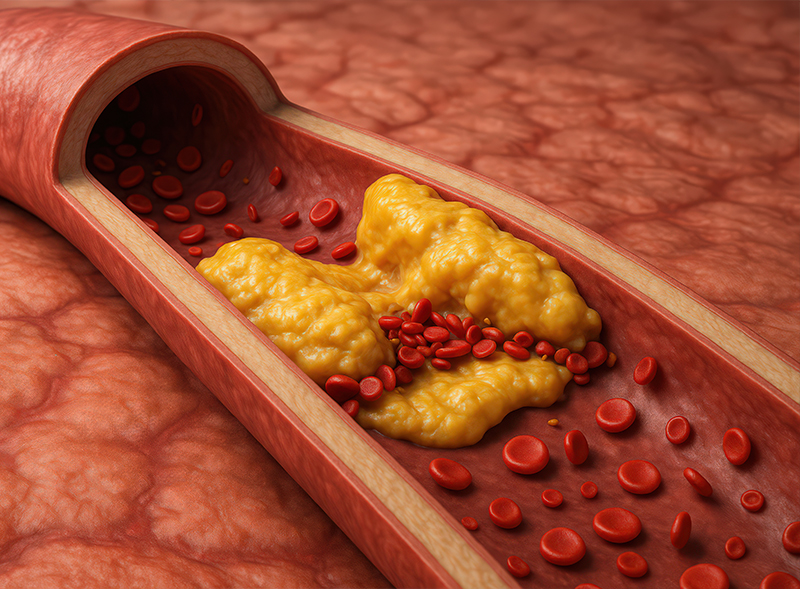
Heart disease remains one of the leading causes of health concerns worldwide, and one of its major risk factors is hyperlipidemia. This condition, commonly known as high cholesterol, often develops silently without noticeable symptoms. Timely hyperlipidemia treatment in Brooklyn can play a crucial role in protecting your heart and improving your overall well-being.
With the right care, lifestyle changes, and medical support, it is possible to control cholesterol levels appropriately and minimize the risk of complications. Through this blog, we will learn how taking this treatment option reduces the risk of heart disease.
Hyperlipidemia is a condition in which a high level of lipids is present in the blood. The lipids present in the blood are mainly cholesterol and triglycerides. Even though the body needs some cholesterol to function, too much can accumulate in the arteries.
There are two main types of cholesterol:
An increase in LDL levels accompanied by a reduction in HDL levels can cause arterial blockages, leading to heart disease.
One of the biggest threats of hyperlipidemia is its direct association with heart disease. An increase in cholesterol levels can cause the formation of plaques on the walls of blood vessels. This can further lead to atherosclerosis, which narrows the blood vessels.
This can lead to:
Unless these risks are properly addressed, they continue to escalate. This is why early treatment is crucial.
Hyperlipidemia is a condition that develops slowly in a person’s body; thus, one may not experience any symptoms beforehand.
Benefits of early treatment include:
In Brooklyn, access to specialized care makes it easier for patients to stay on top of their cholesterol levels and receive the support they need.
Proper hyperlipidemia treatment in Brooklyn directly lowers the risk of heart disease in several ways:
Reducing LDL cholesterol levels is a fundamental step in preventing plaque formation in the arteries. This ensures that when cholesterol levels are well managed, there will be no constricting and hardening of blood vessels, thus keeping them clear, flexible, and working effectively to prevent blockages that could result in dangerous heart conditions.
By keeping the levels of cholesterol in the body healthy, blood circulation can flow more easily. If the arteries are not constricted, the heart does not have to work as hard to get blood flowing. This ensures the body gets the oxygen and nutrients it needs to stay energized.
High cholesterol levels are associated with inflammation in blood vessels, which may lead to long-term damage. When proper treatment is provided, this inflammation is reduced, which in turn helps in protecting the inner lining of the vessels. This, in turn, slows down the progression of any heart-related conditions.
This ensures that the risk of life-threatening incidents like heart attacks and strokes is reduced to a minimum. This treatment not only stabilizes the existing plaques but also ensures that there is no further accumulation. This, in turn, results in improved heart health.
It is important to consult a health care professional if any of these risk factors are present or if an individual is worried about his or her heart health. Consultation with a health care professional will help prevent complications from developing.
You should seek medical attention if:
Early evaluation also helps in the identification of potential risks before they become severe. Therefore, with early diagnosis and proper treatment, it is easier to manage your cholesterol levels and reduce the risk of heart disease.
Hyperlipidemia is a condition that can be managed, although failing to address this condition can lead to serious heart problems. Thus, by adopting preventive measures for its management, heart problems can be avoided.
If you are looking for hyperlipidemia treatment in Brooklyn, it is important to choose a healthcare provider that is focused on delivering high-quality care to patients. At Cardio Care NYC, we are dedicated to providing treatment for hyperlipidemia in Brooklyn to ensure the health and well-being of our patients.
Our goal is to ensure the heart health of our patients and prevent any future complications.
It is a condition in which there are high levels of cholesterol or fats in the blood, which can increase the risk of heart disease.
It may not always be completely cured, but it can always be managed.
It is advisable for most adults to get their cholesterol levels checked at least every 4 to 6 years, although those at increased risk may need to get their levels checked more often.
Not always. Some people can manage their levels with lifestyle changes, while others may require medication depending on their condition.
Improvements can often be seen within a few weeks to months, depending on the treatment plan and consistency.