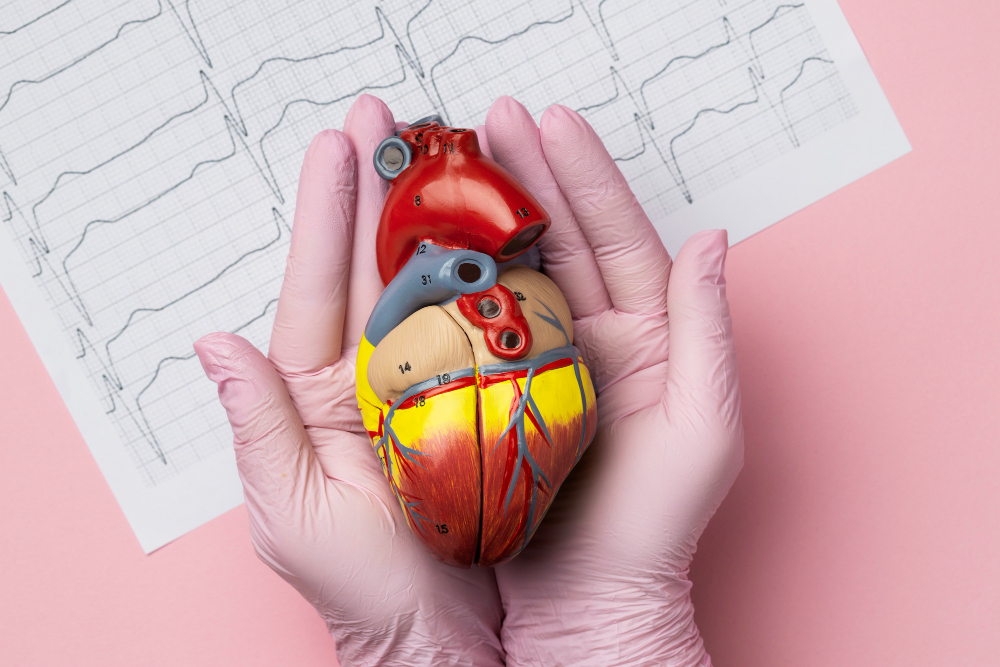
Our heart is designed to beat in a steady, rhythmic pattern — around 60 to 100 times per minute in a healthy adult. But when this rhythm becomes irregular, too fast, or too slow, it’s called an arrhythmia.
While some irregular heartbeats are harmless, others may indicate a more serious underlying heart condition that needs medical attention. So, if you feel a sign such as a skipped beat, don’t ignore it! Instead, see a doctor and get the necessary treatment.
In simple terms, arrhythmia means your heart’s electrical system is acting up. Normally, these impulses originate in the heart’s natural pacemaker — the sinoatrial (SA) node — and follow a precise pathway through the heart.
When that electrical flow is disrupted, the heart may beat irregularly. There are several types of arrhythmias, including:
Your heart’s electrical system can be sensitive. Some common triggers include:
And sometimes? No reason at all! Life just throws you one of those random curveballs. However, age and existing heart issues can significantly increase the risk.
Some people don’t notice anything, while others feel like their chest just turned into a drumline.
You might feel:
If your heart’s rhythm is seriously off, it might not pump blood effectively — which means your brain and other organs don’t get enough oxygen. If you ever faint, get chest pain, or feel like you can’t breathe, don’t ignore it!.
Your doctor will probably start with your story — what you’ve felt, when it happens, what you’ve been drinking or eating. Then comes the EKG (electrocardiogram) — those sticky patches on your chest that record your heart’s electrical activity.
But arrhythmias can play hide-and-seek, so if a short EKG doesn’t catch it, they might suggest:
The good news? Most arrhythmias are manageable. Treatment depends on the cause of the symptoms and their severity.
You may be advised to reduce your intake of caffeine, alcohol, and nicotine. Practice mindfulness, sleep better, and eat real food — fruits, veggies, lean proteins. Some medicines help regulate your heart’s rhythm or prevent blood clots.
In short, your doctor will provide the most suitable treatment for your condition.
Here’s the hopeful part — most people with arrhythmia can live totally normal, fulfilling lives once they know what’s going on. The trick is to stay consistent. Take your meds, keep your appointments, and pay attention to your body.
Little daily habits can go a long way:
If you start feeling weird — dizzy, faint, or breathless — don’t brush it off. Your heart deserves better than “I’ll deal with it later.”
Don’t wait for things to get scary. If your heart’s skipping beats often, you’re fainting, or just feel “off,” get checked out. Catching arrhythmia early can prevent bigger problems like heart failure or stroke.