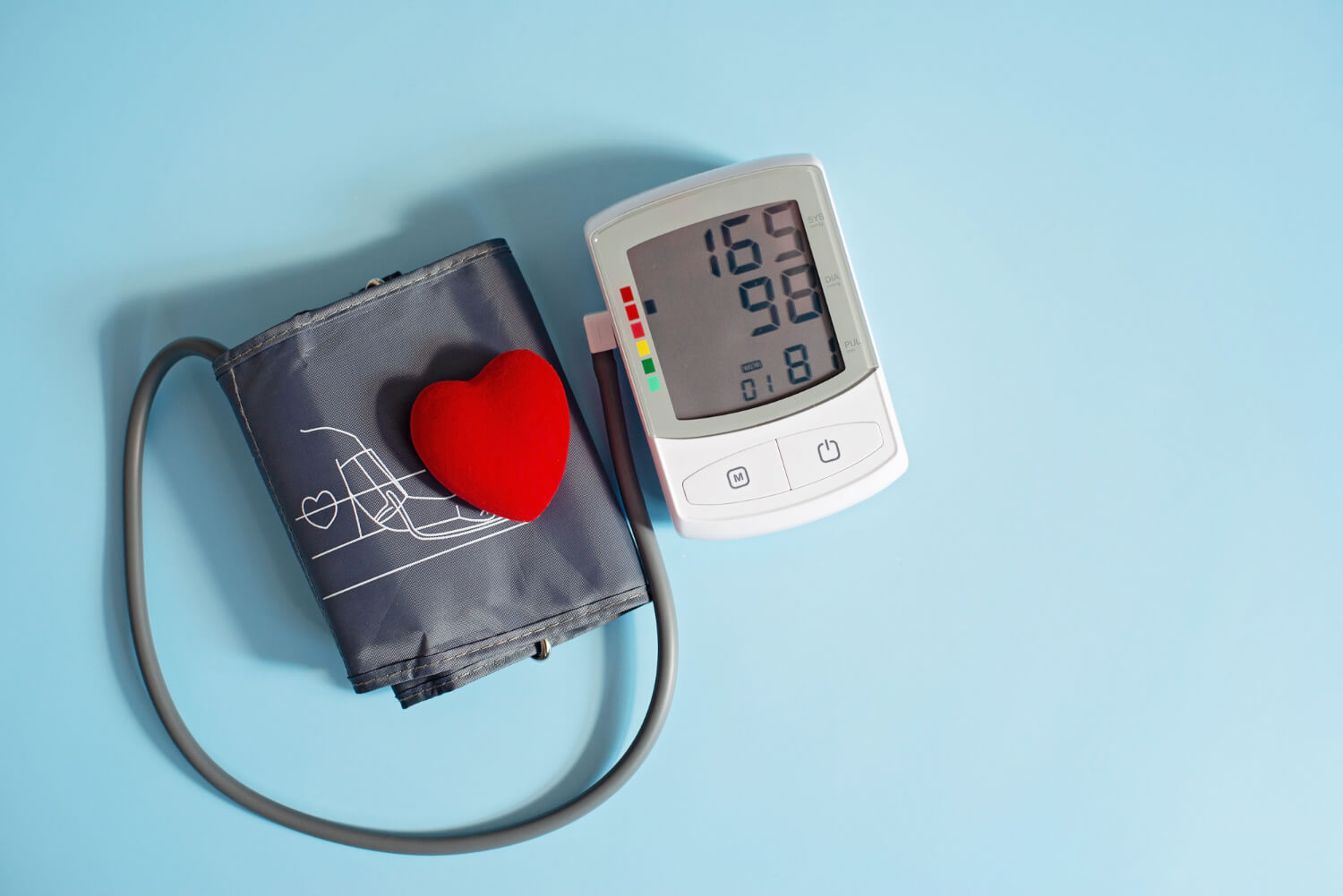
High blood pressure, also known as hypertension, is usually termed the “silent killer.” You may not feel sick at all, yet it slowly causes damage to your heart, brain, kidneys, and blood vessels. Many people do not realize that they have high blood pressure until they have complications, such as a heart attack or stroke.
Further, the CDC reported that, in 2023, high blood pressure was the primary or contributing cause of 664,470 deaths in the United States, underscoring the severity and prevalence of this condition.
Recognizing the early signs can help you take control before it’s too late. Here are the 10 early signs of hypertension you should not ignore.
One of the most common symptoms associated with high blood pressure is frequent or throbbing headaches, particularly in the morning. Very high blood pressure increases pressure in the blood vessels of the brain, which can result in pain or a feeling of tightness around the head.
If you often wake up with headaches, get your blood pressure checked.
Occasional dizziness may not seem serious, but it can be an early sign that your blood flow to the brain is not stable due to high blood pressure. Uncontrolled hypertension can affect the brain’s blood supply and cause dizziness or even fainting.
High blood pressure can also cause damage to the small blood vessels in your eyes. This condition is called hypertensive retinopathy. Symptoms can include blurred vision, dark spots, or even difficulty focusing. If you experience a sudden change in your vision, have your eyes and blood pressure checked.
When blood pressure remains high, your heart works harder to pump blood, which can weaken the heart muscle over time. This brings on shortness of breath, especially with activity or climbing stairs. Long-term high blood pressure is one of the major causes of heart failure.
Chest pain is always a red flag. In some individuals, high blood pressure can cause chest pressure or discomfort, which may come and go. This is because high blood pressure puts extra strain on the arteries that supply blood to your heart. With time, this may lead to angina or even a heart attack.
Fatigue for no apparent reason could be a sign that your heart and body are not getting enough oxygen due to high blood pressure. This is one of the more common symptoms that go unnoticed before diagnosis.
Hypertension causes your heart to pump harder, which results in chronic fatigue, muscle weakness, and low energy levels.
Occasional nosebleeds are regular, but increased and sudden ones may be a sign of very high blood pressure. This is because the small blood vessels inside the nose may rupture due to increased pressure.
However, nosebleeds aren’t always indicative of hypertension alone, so your BP should be checked first before making any assumption.
When your heartbeat is too fast, too slow, or even skips a beat, these can be symptoms of your uncontrolled high blood pressure. Your heart experiences an irregular rhythm because it struggles to cope with the high pressure inside your arteries.
High blood pressure can impact the function of your kidneys. When kidneys don’t function properly, they can’t remove extra fluid from your body. This can cause swelling (edema), particularly in your legs, ankles, or feet.
Individuals with high blood pressure may experience difficulty falling asleep, loud snoring, or frequent nighttime awakenings. Sleep disorders, notably sleep apnea, can increase blood pressure and make it harder to control.
According to the Sleep Foundation, poor sleep is strongly linked to high blood pressure and heart disease.
Hypertension often develops slowly over many years. You may not notice any of these symptoms until your body begins to show signs of stress.
If left untreated, it can lead to:
The good news is that hypertension is preventable and controllable, provided that it is detected early, a healthy lifestyle is maintained, and regular check-ups with a doctor are performed.
You can take simple steps today to keep your blood pressure in check:
Hypertension may be silent, but the damage it causes is not. Recognizing these early warning signs and taking prompt action can help you avoid serious health issues and lead a longer, healthier life.
If you notice any of these symptoms or have risk factors like obesity, stress, and family history, get your blood pressure checked today with us at Cardio Care NYC!